
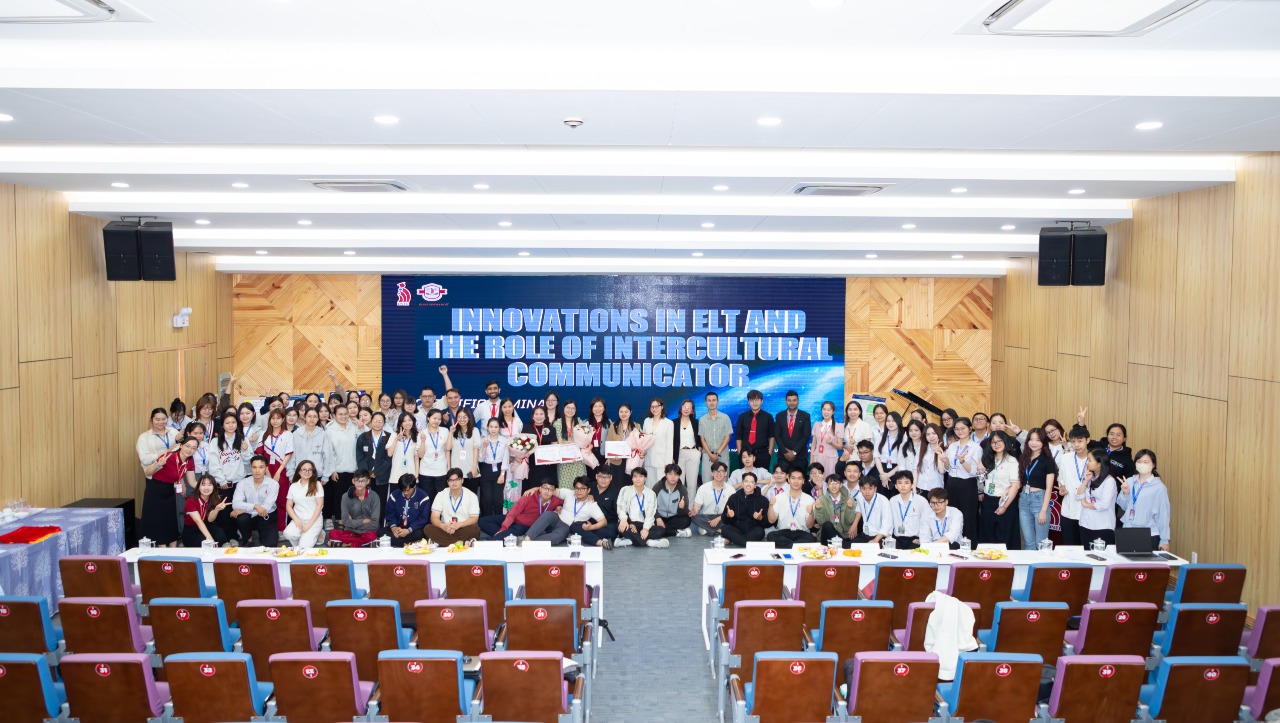
THE FACULTY OF FOREIGN LANGUAGES SUCCESSFULLY ORGANIZES THE SCIENTIFIC SEMINAR: "INNOVATIONS IN ENGLISH LANGUAGE TEACHING AND INTERCULTURAL COMMUNICATION"
Recently, the Faculty of Foreign Languages successfully hosted a scientific seminar titled "Innovations in English Language Teaching and Intercultural Communication." The event attracted a large number of lecturers, researchers, distinguished guests, and students.
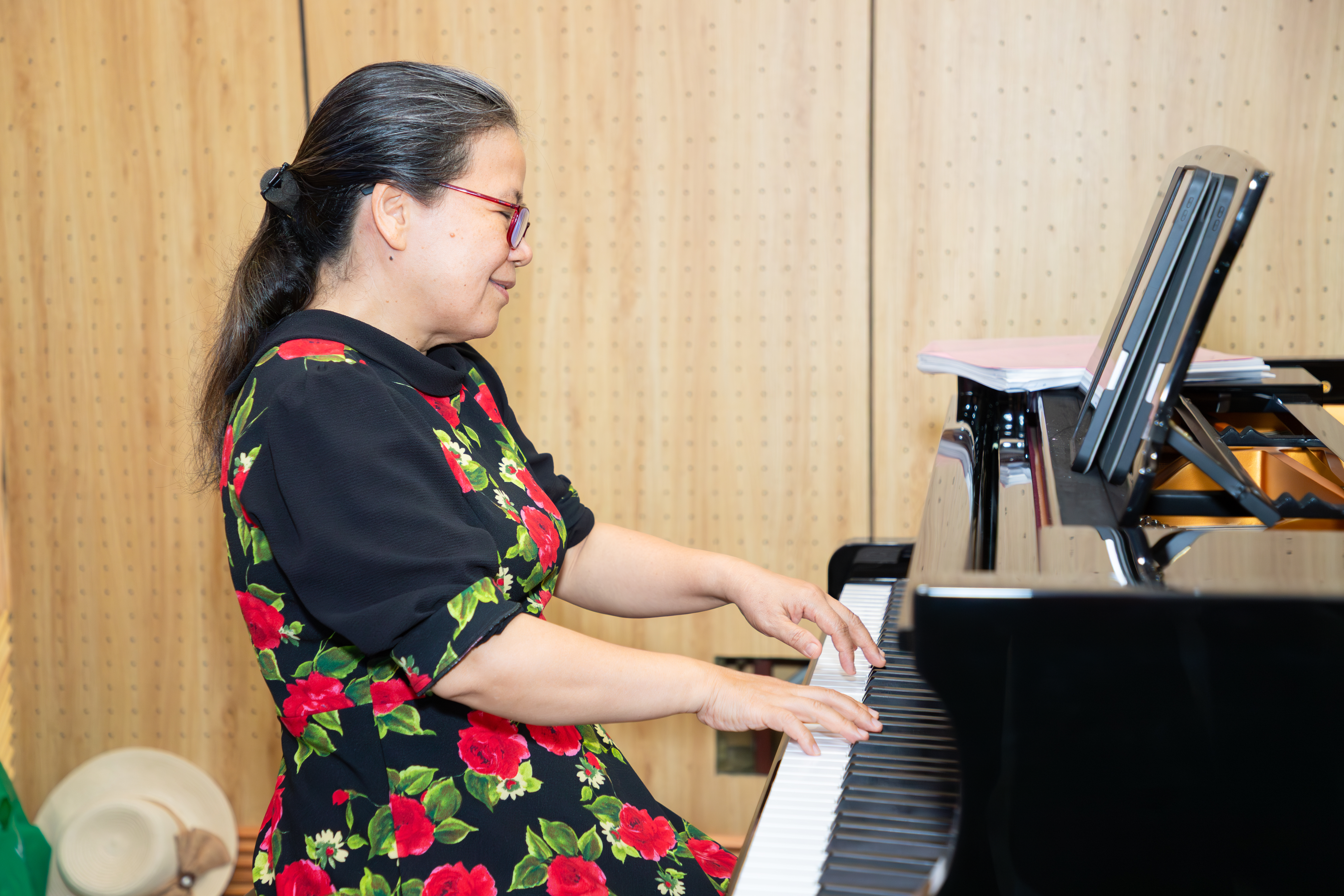
The seminar began with a vibrant and warm atmosphere, featuring special musical performances that fostered connection and provided an inspiring start to the ensuing academic activities.
In the opening remarks, the Organizing Committee representative extended a warm welcome and profound gratitude to the delegates, guests, and all participants. The seminar was designed as an academic forum for educators, researchers, and students to exchange ideas, share experiences, and update themselves on emerging trends in English Language Teaching (ELT) and intercultural communication within a modern context.
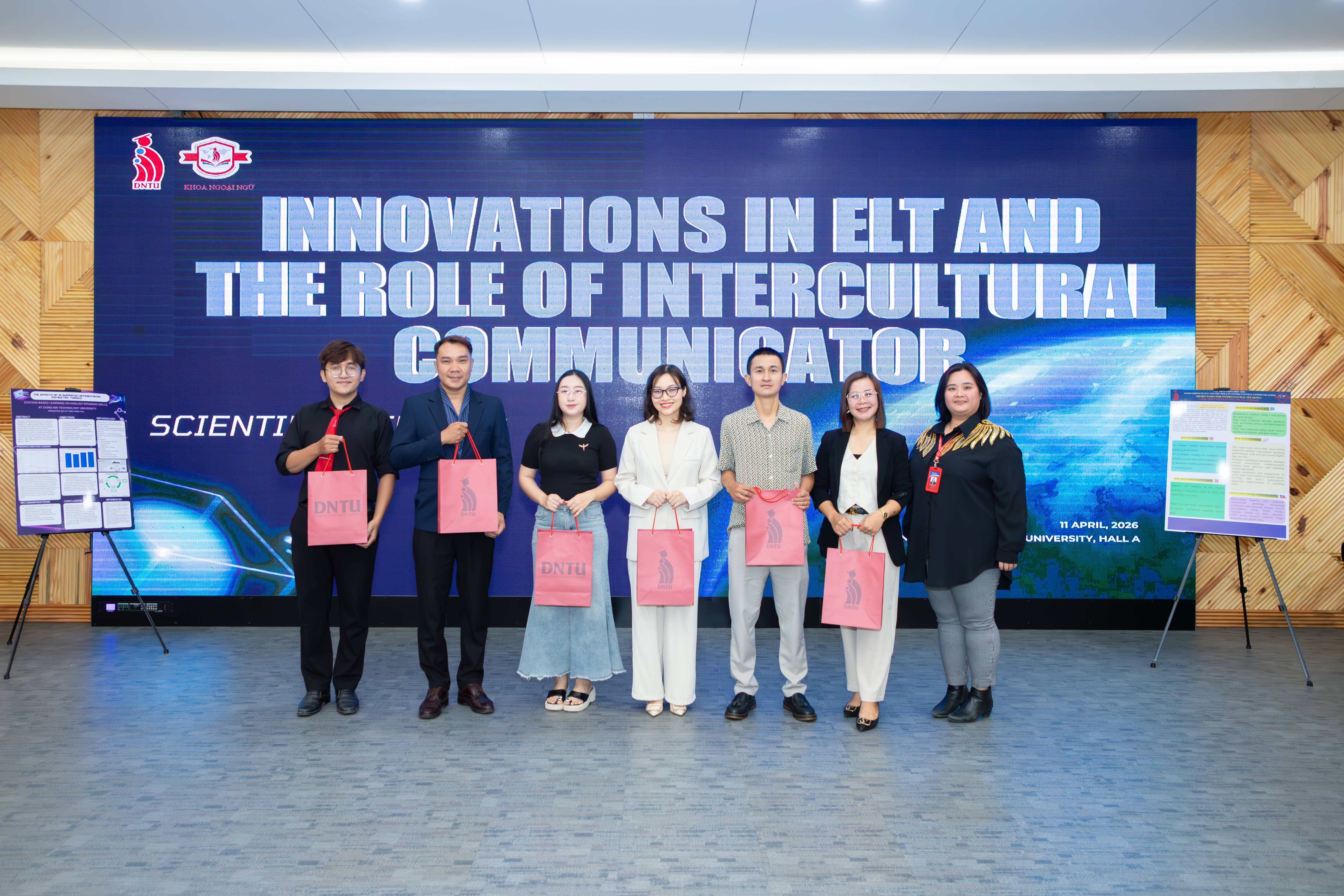
Notably, the program was honored to welcome experts, partners, and representatives from various educational institutions, contributing to the high professional quality of the event and expanding cooperation opportunities in the field of foreign language training.
Diverse Perspectives and Practical Value
Throughout the seminar, several presentations provided multi-dimensional insights and practical applications:
- AI Integration: A presentation on the application of Artificial Intelligence (AI) in learning feedback and intercultural communication opened new avenues for ELT approaches.
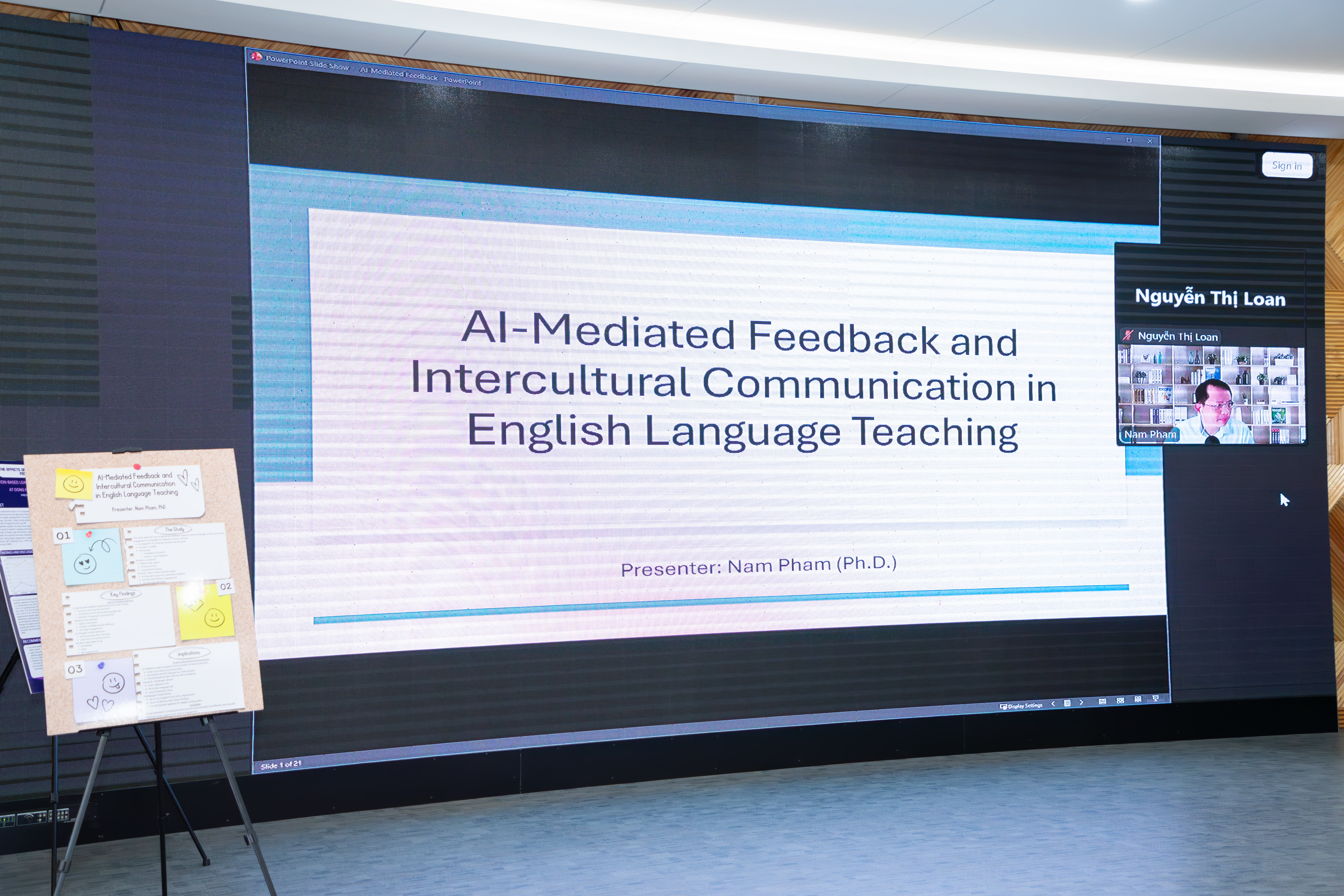
- Micro-tasks: Research on utilizing micro-tasks to develop intercultural speaking skills demonstrated how to enhance teaching effectiveness in EFL (English as a Foreign Language) classrooms.
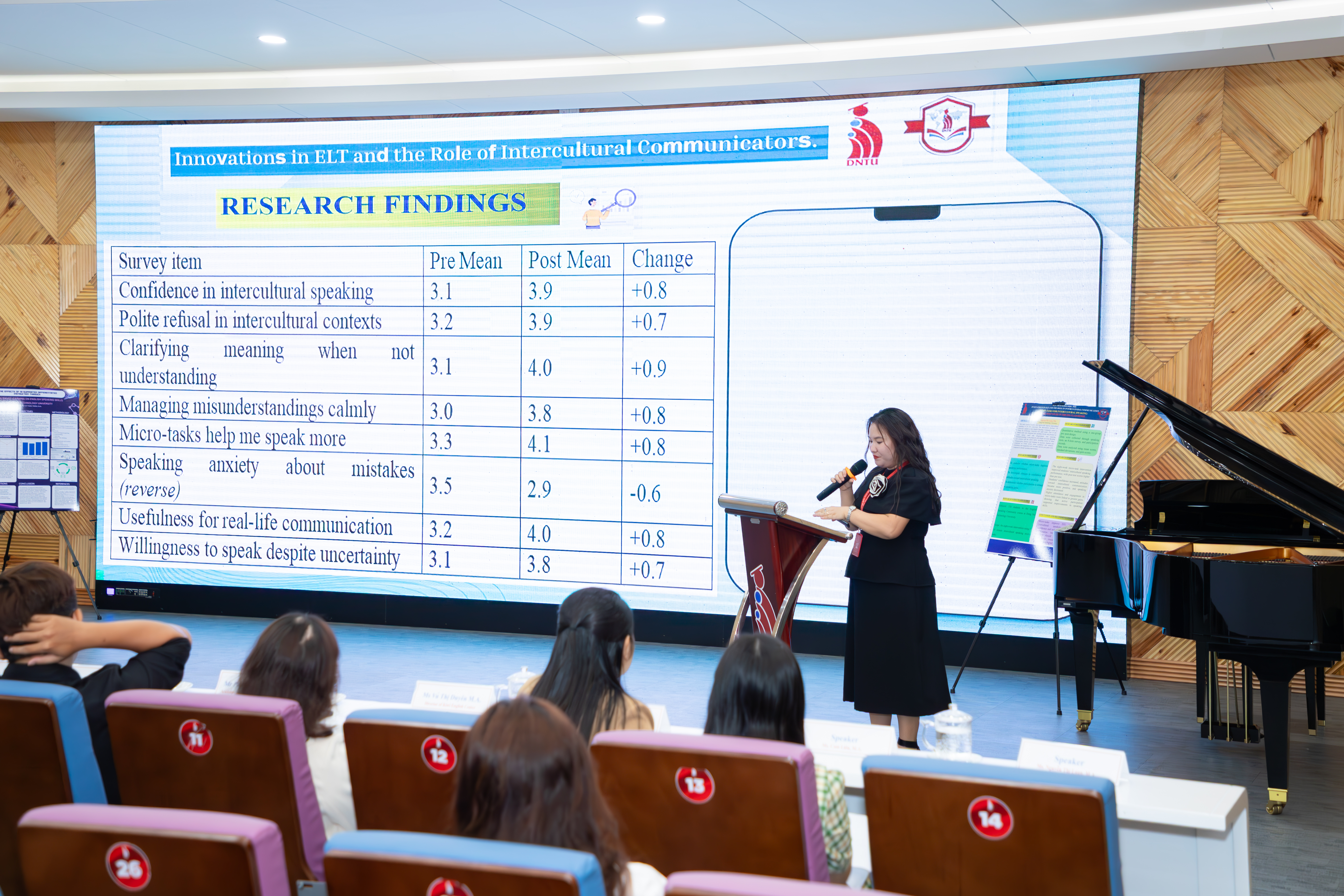
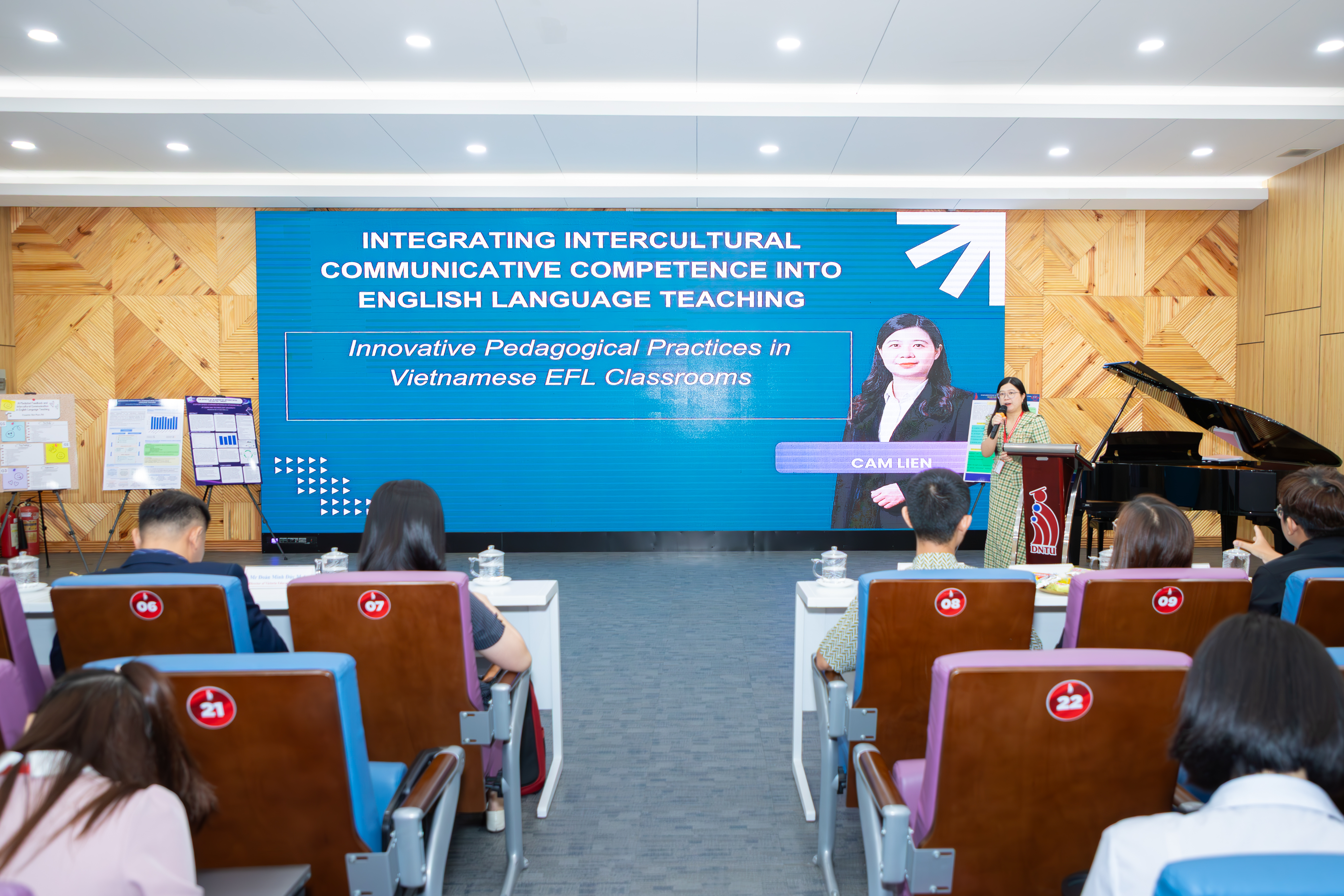
- Integrated Competency: Various creative models for integrating intercultural communicative competence into the curriculum were presented, specifically tailored to the Vietnamese educational context.
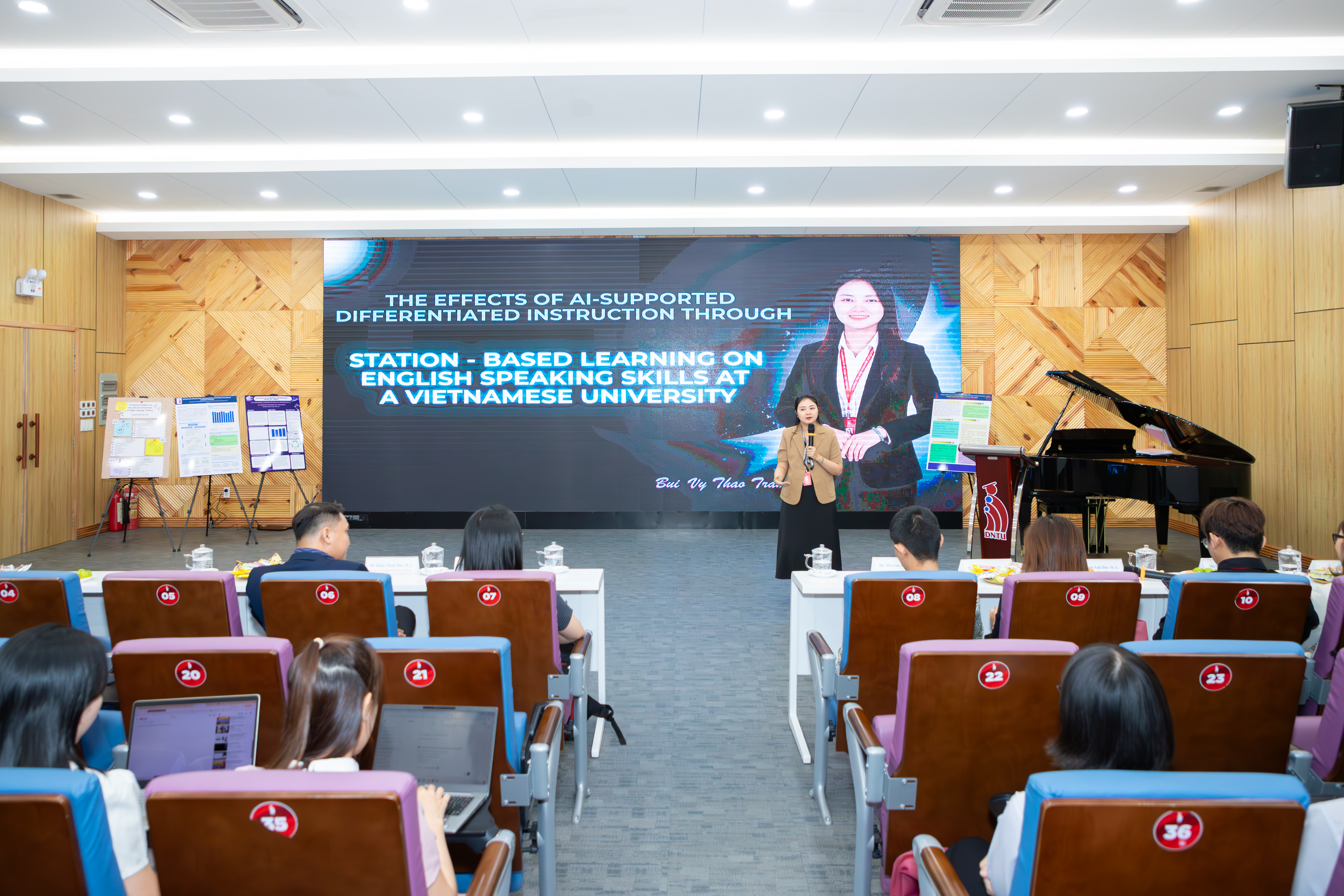
- Station-based Learning: A highlight of the event was the discussion on combining AI with station-based learning, which has shown positive impacts on students' English speaking proficiency.
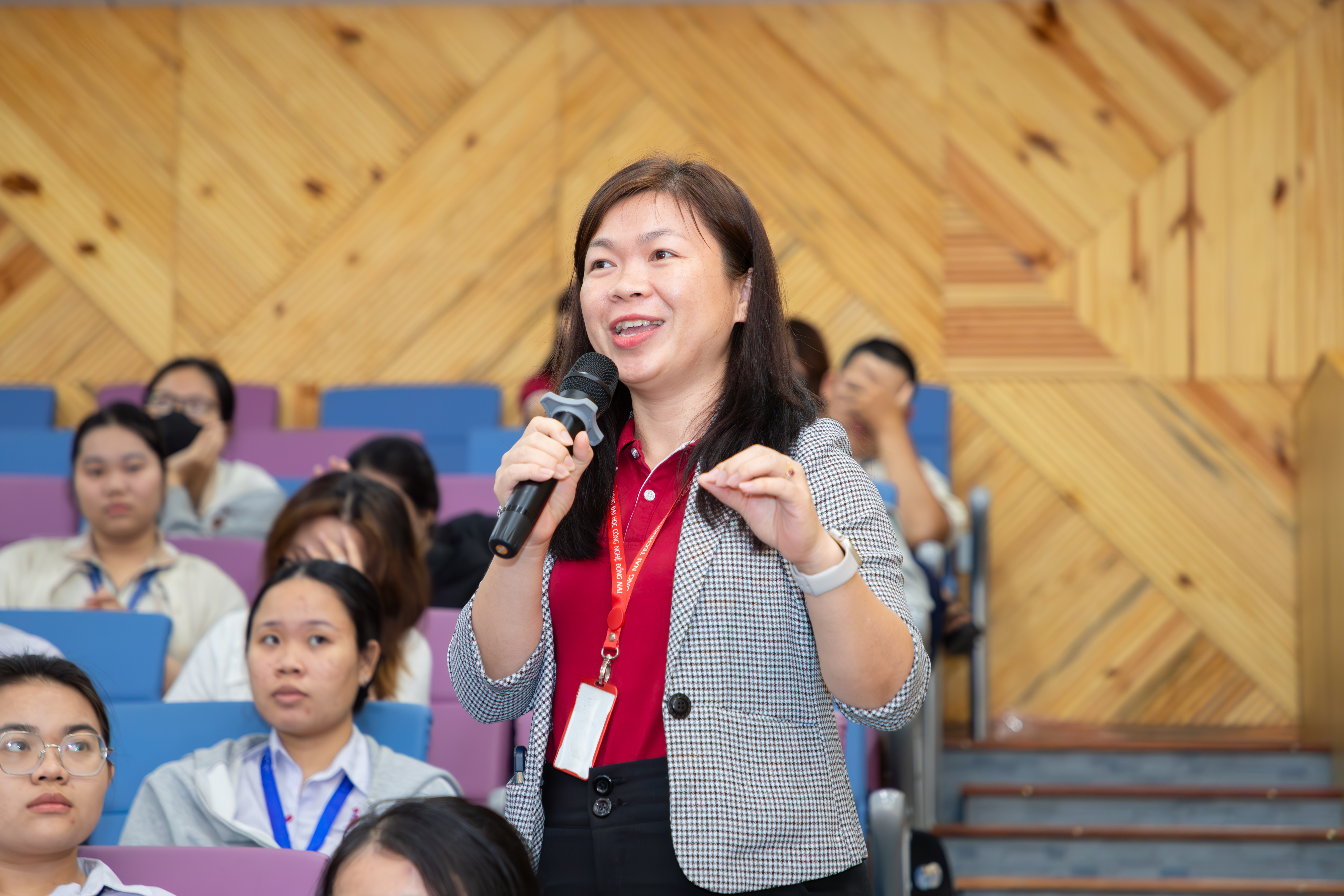
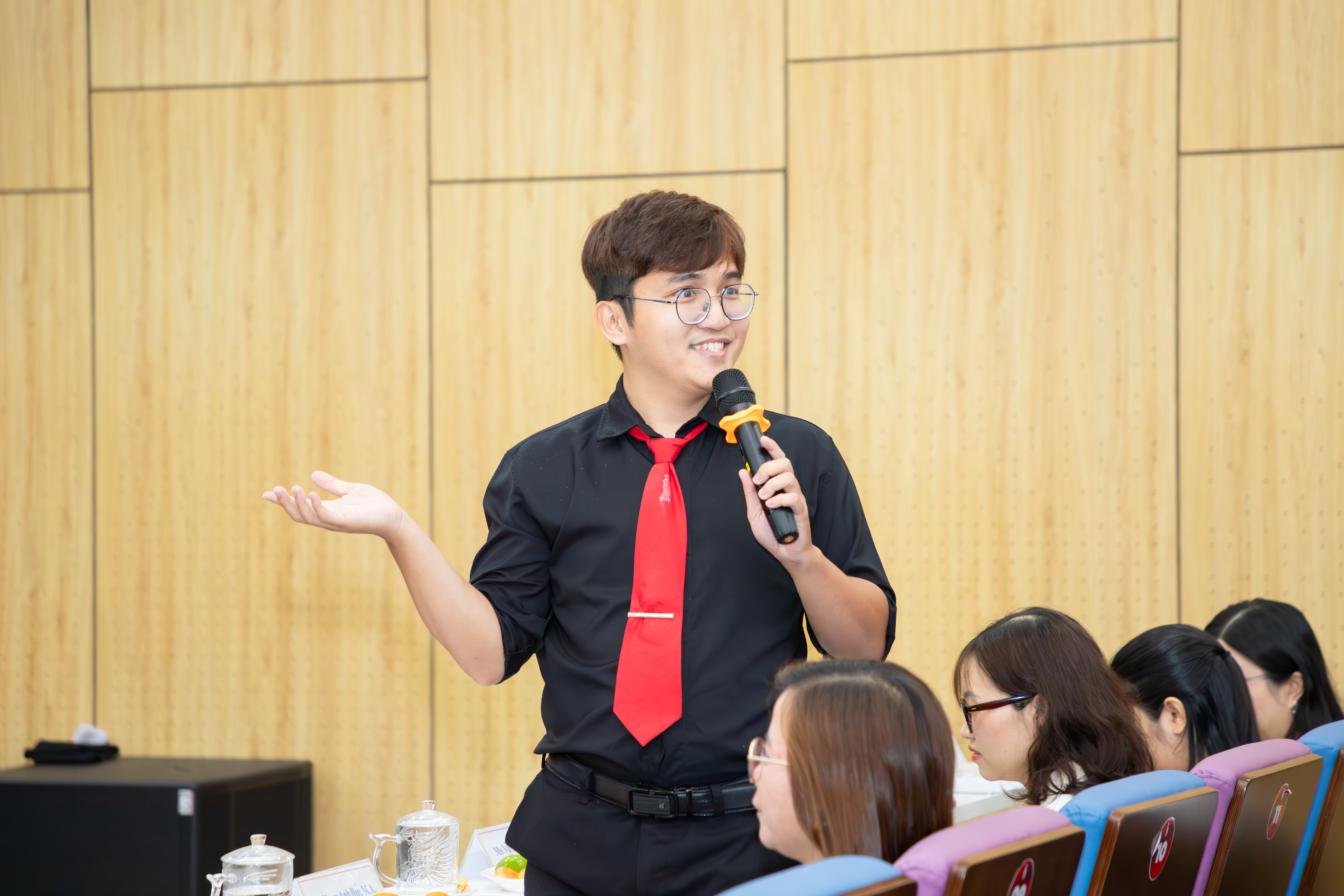
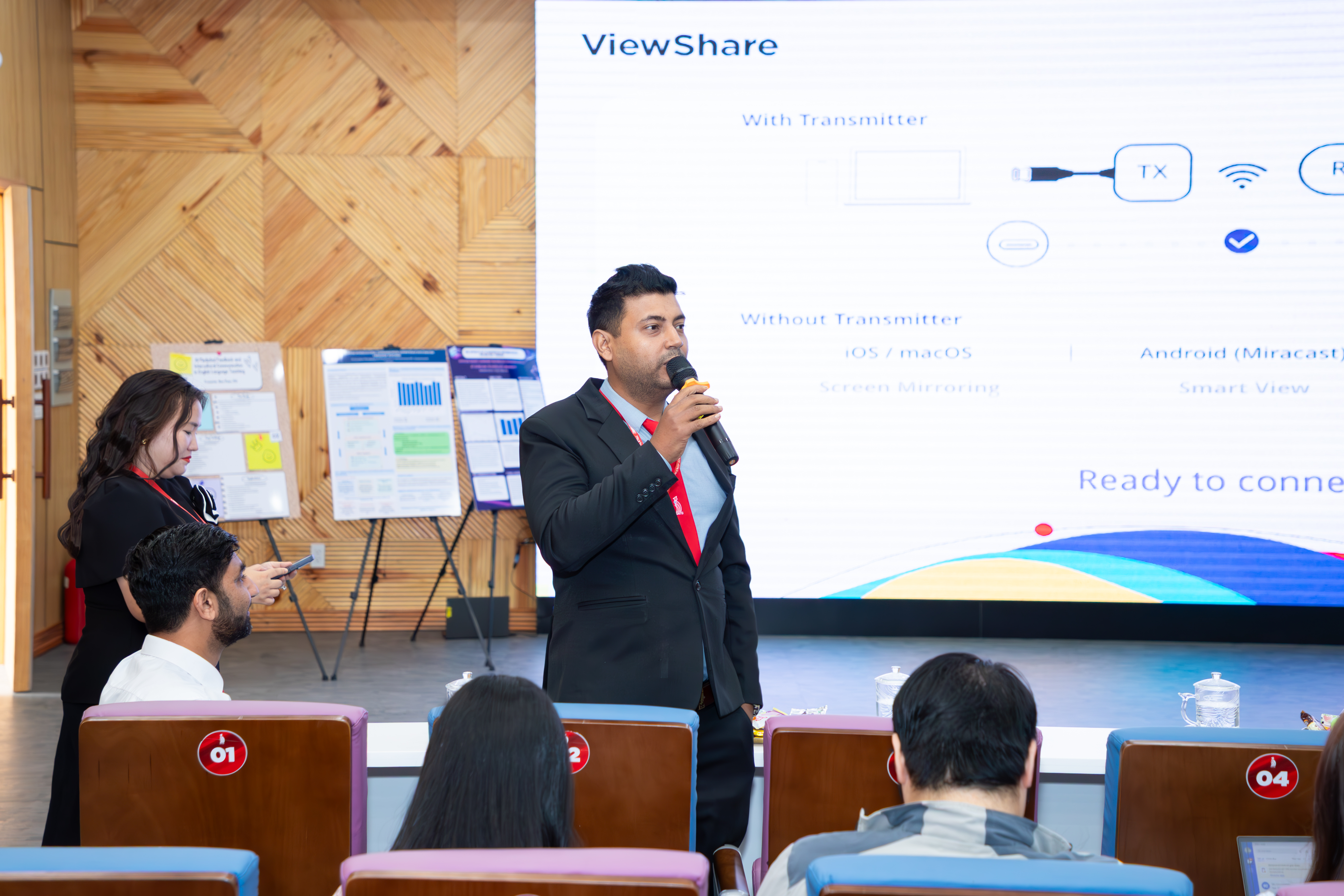
The Q&A and discussion session took place in an open and lively atmosphere. Participants focused on the practical application of AI in language teaching, the personalization of learning activities, and methods to improve intercultural communication skills in real-world classroom settings.
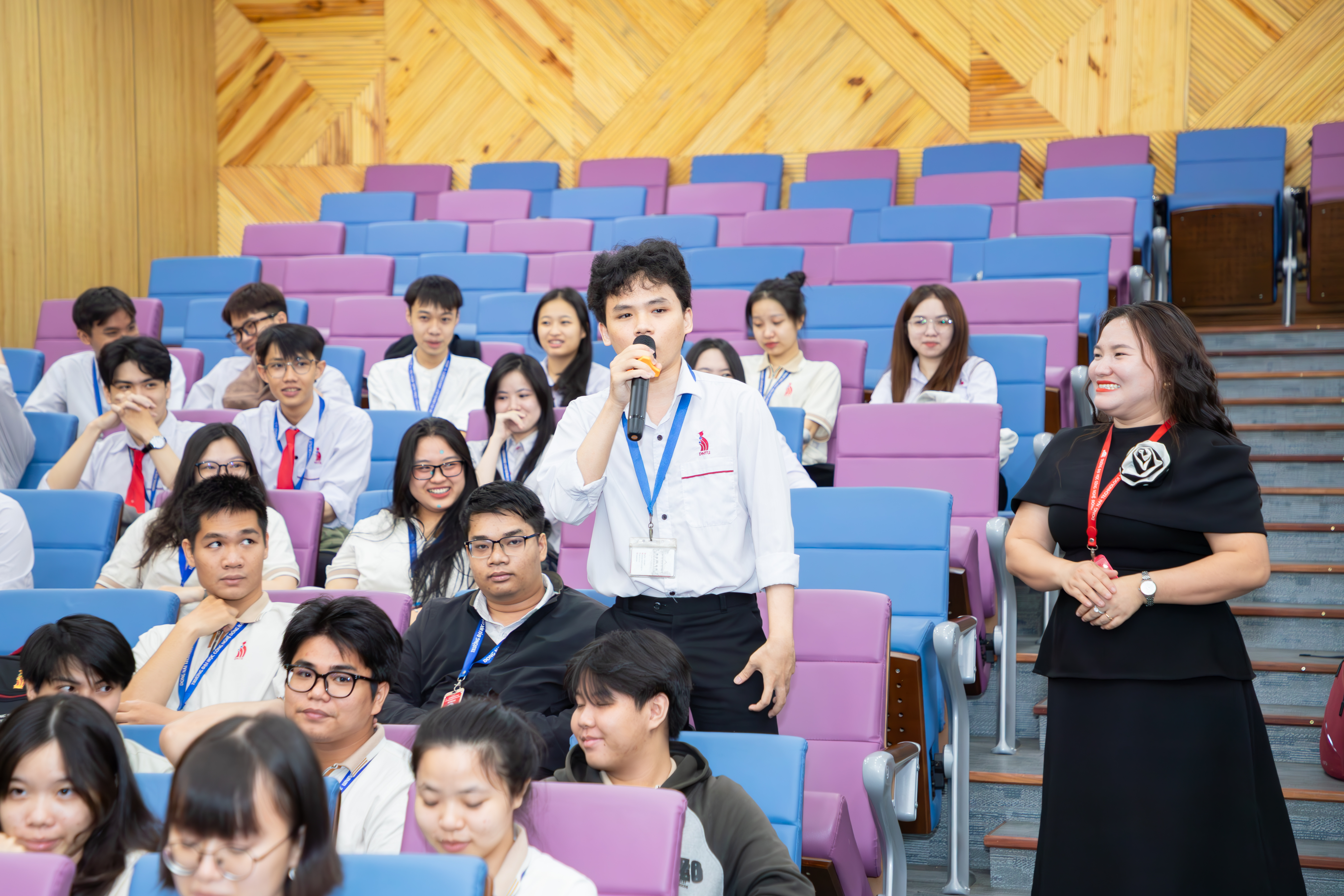
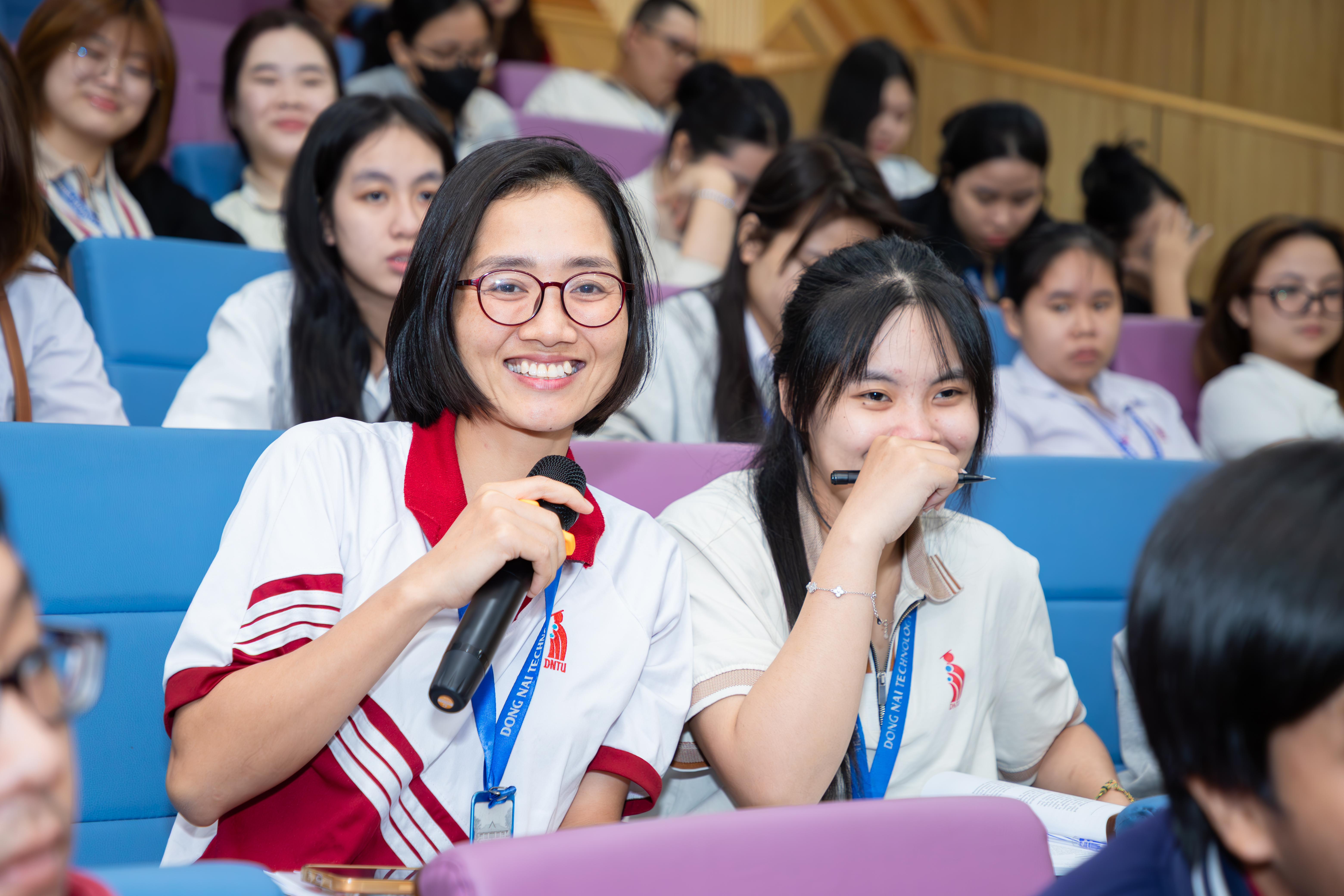
The keynote speakers shared extensive practical experience, clarifying the challenges of implementing new teaching methodologies while proposing solutions suitable for the local educational landscape. A major point of interest was the discussion on achieving a balance between technology and the indispensable role of the instructor.
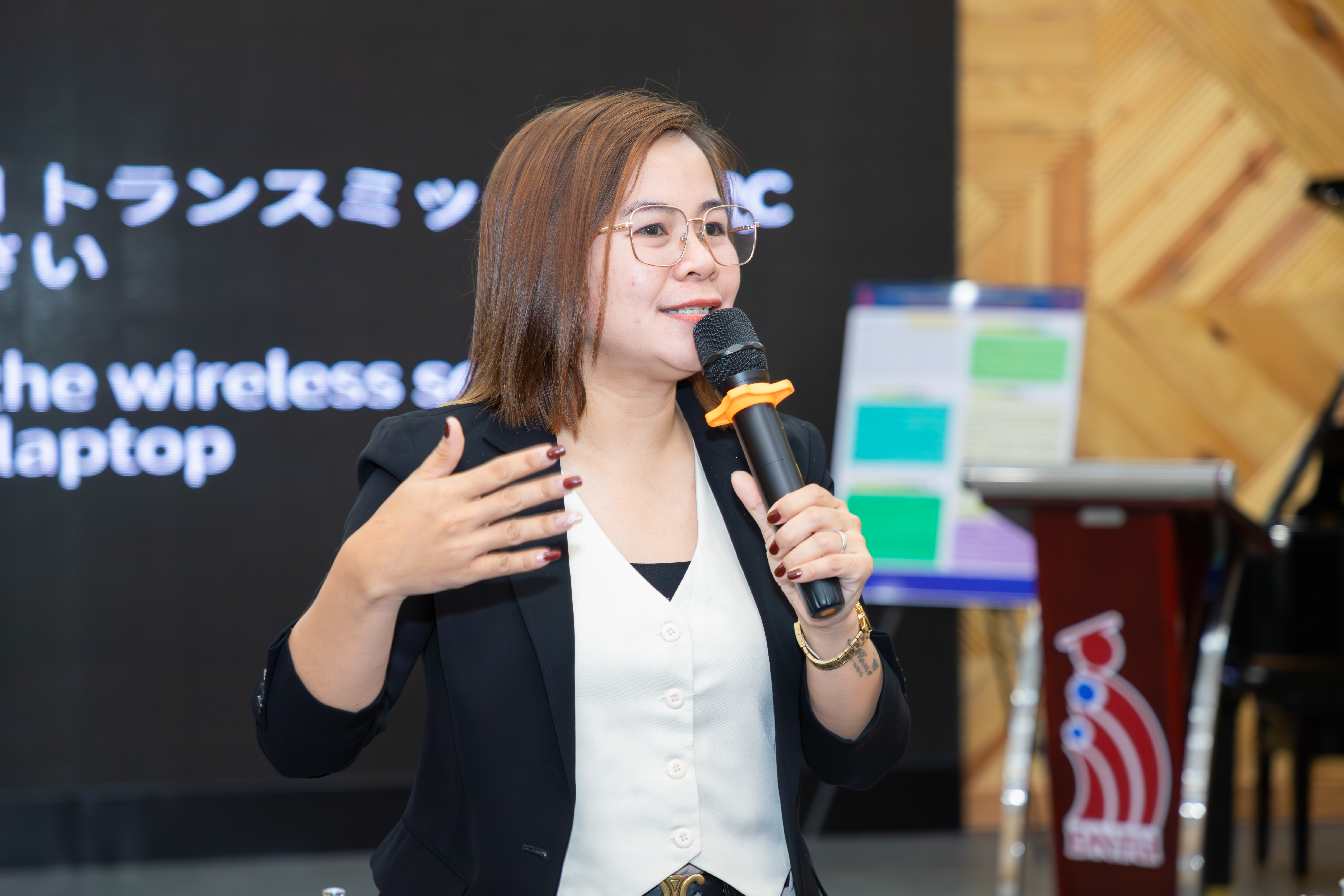
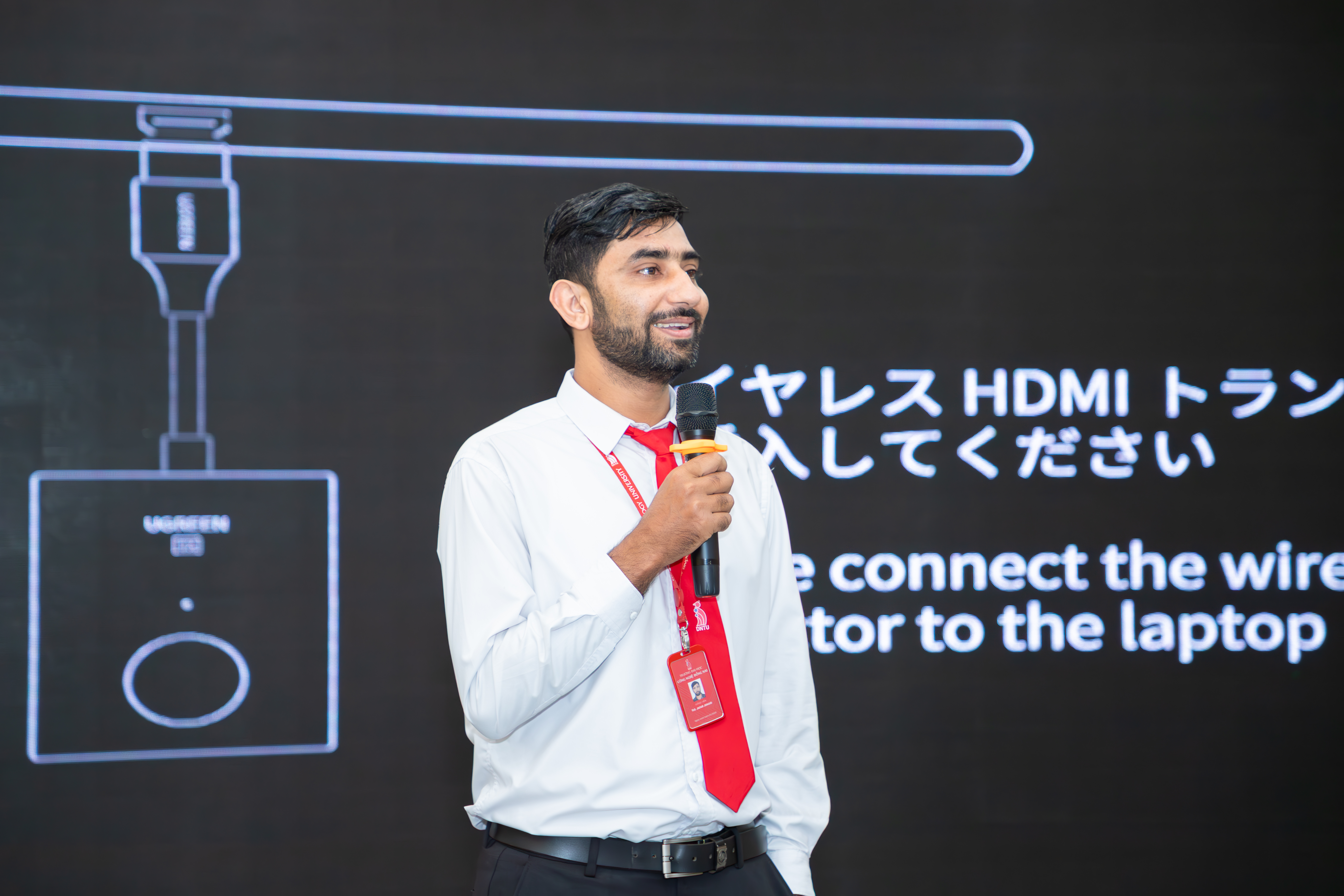
Furthermore, lecturers and students actively contributed their viewpoints, enriching the dialogue. Many suggestions emphasized increasing practical activities, expanding intercultural learning environments, and promoting the use of technology in assessment and evaluation.
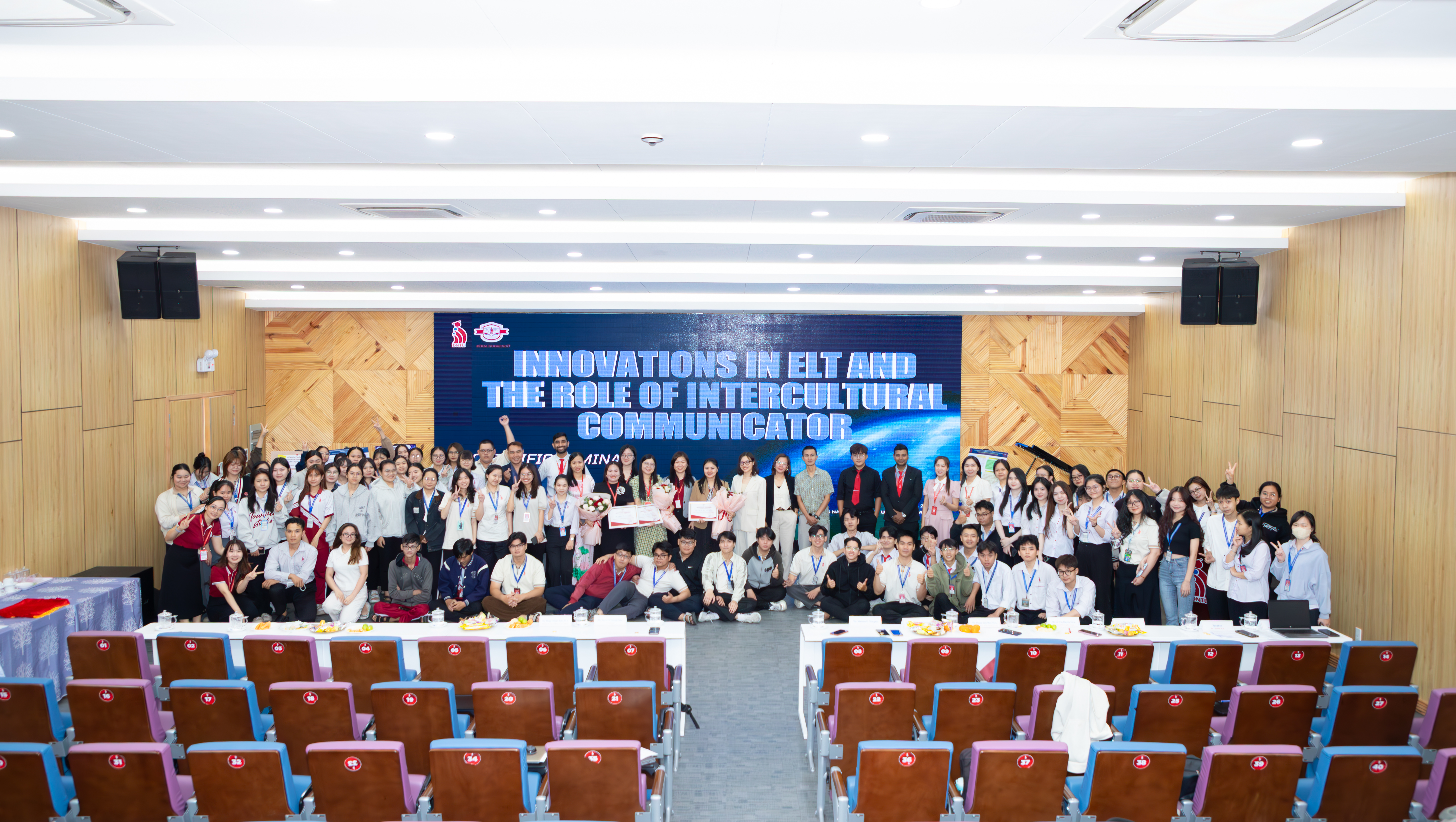
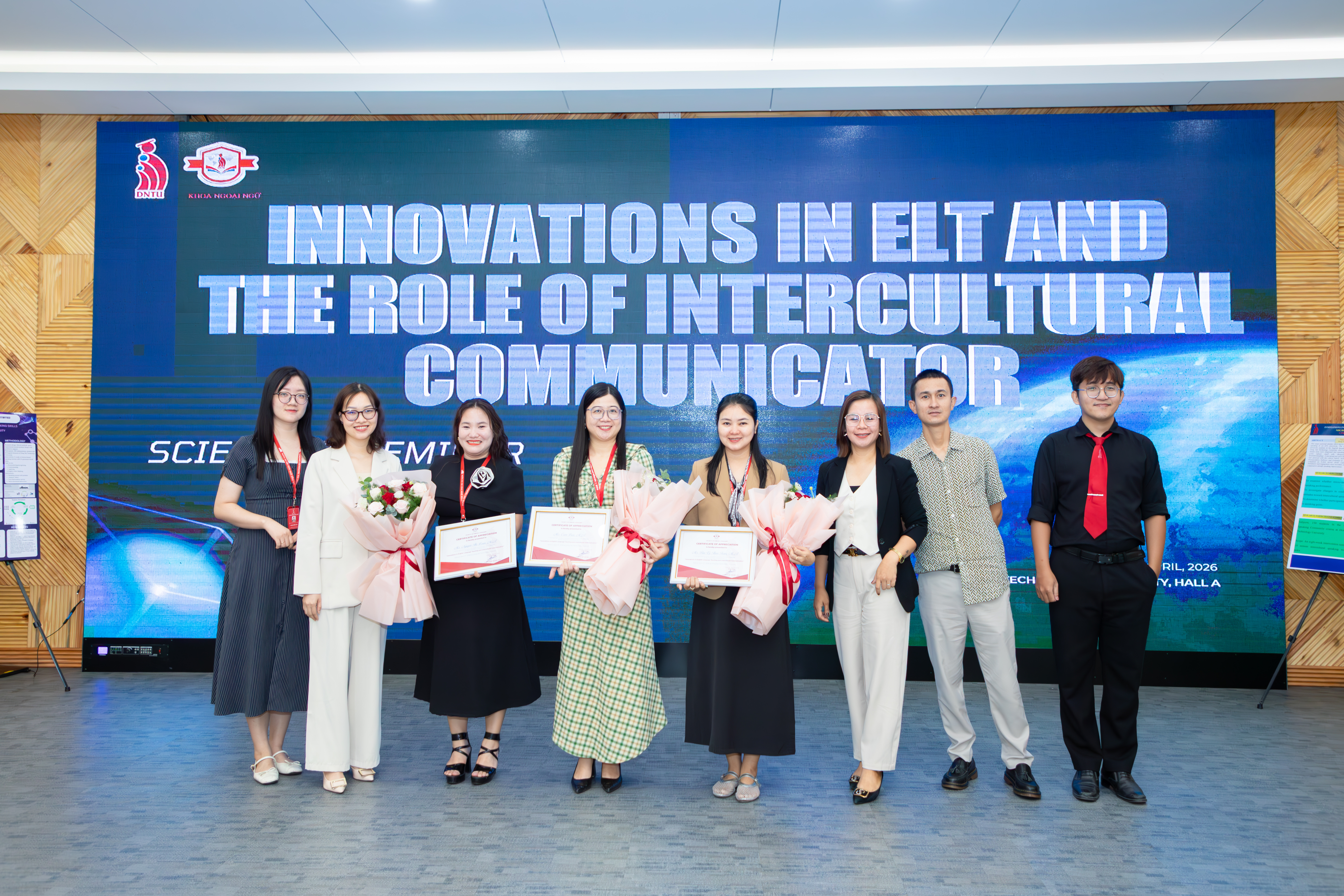
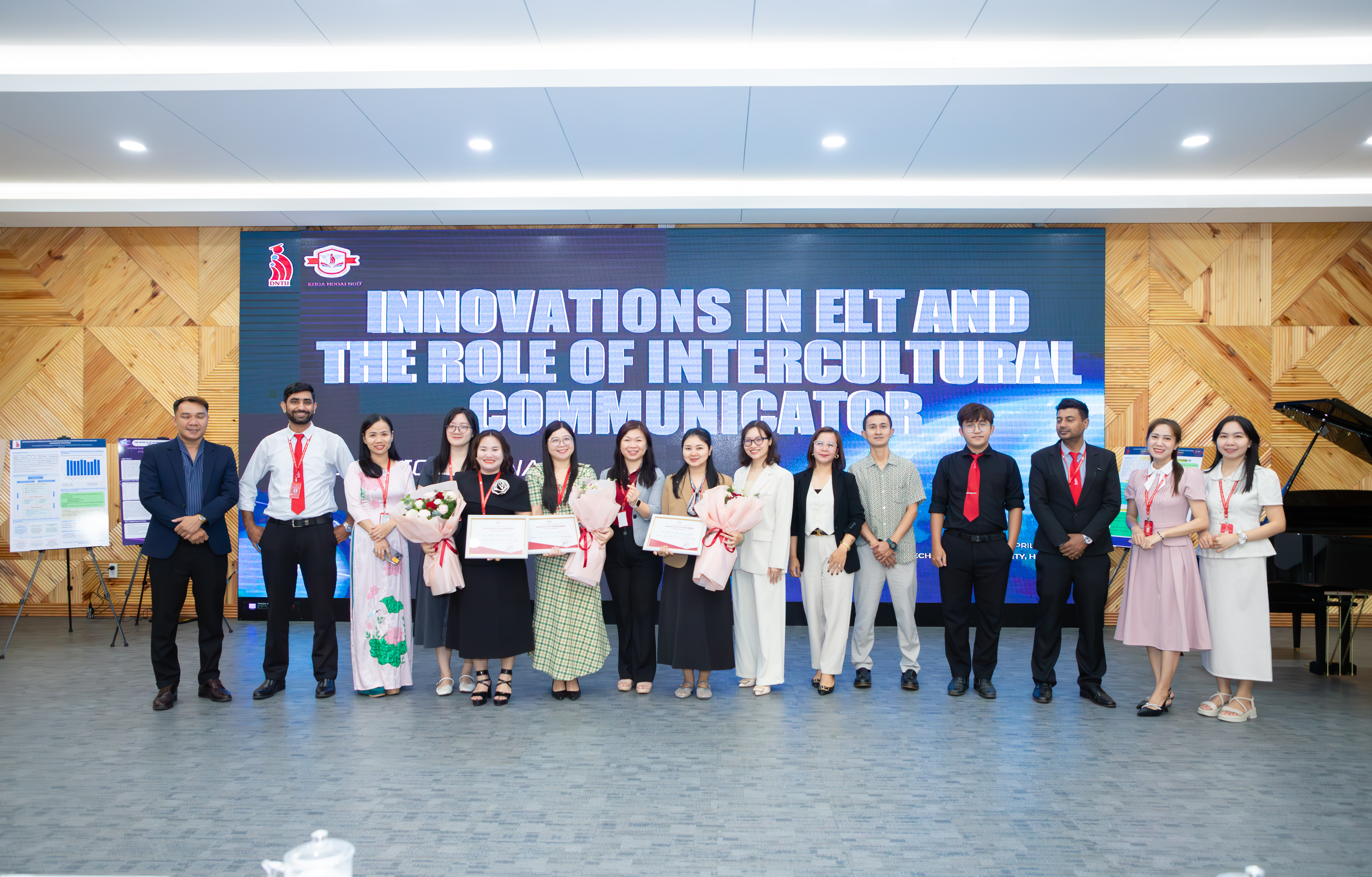
To conclude the program, the Organizing Committee presented certificates to the presenters and held a photo session to commemorate a meaningful and successful academic event.
The seminar was not only an occasion to share knowledge but also a catalyst for innovating teaching methods, improving training quality, and enhancing the intercultural communication competence of both faculty and students during this era of global integration.
---------------------------------------------------------------------------------------------------------------------------------------------------------------------------------------------------------------
DNTU, April 16, 2026
Reporter: Huynh Le Minh Trang