

INTERNSHIP PROGRAM IN JAPAN FOR ORIENTAL STUDIES – JAPANESE STUDIES MAJORS
In the era of deep globalization and international cooperation, Japan remains one of Vietnam’s foremost economic, cultural, and educational partners. This has led to a surging demand for a workforce proficient in the Japanese language, culture, and professional environment. In response to these practical requirements, the Oriental Studies – Japanese Studies major at the Faculty of Foreign Languages, Dong Nai University of Technology (DNTU), is designed to cultivate graduates with advanced linguistic skills, specialized knowledge, and professional expertise, fully prepared to integrate into both domestic and international labor markets.
During their internship, students work directly at Japanese manufacturing plants and production facilities. This professional, disciplined, and process-oriented environment helps students hone their industrial working style, sense of responsibility, and adaptability to real-world work intensity. By participating in production lines and collaborating with Japanese personnel, students gain a deeper understanding of Japanese corporate culture, organizational structures, and professional standards.
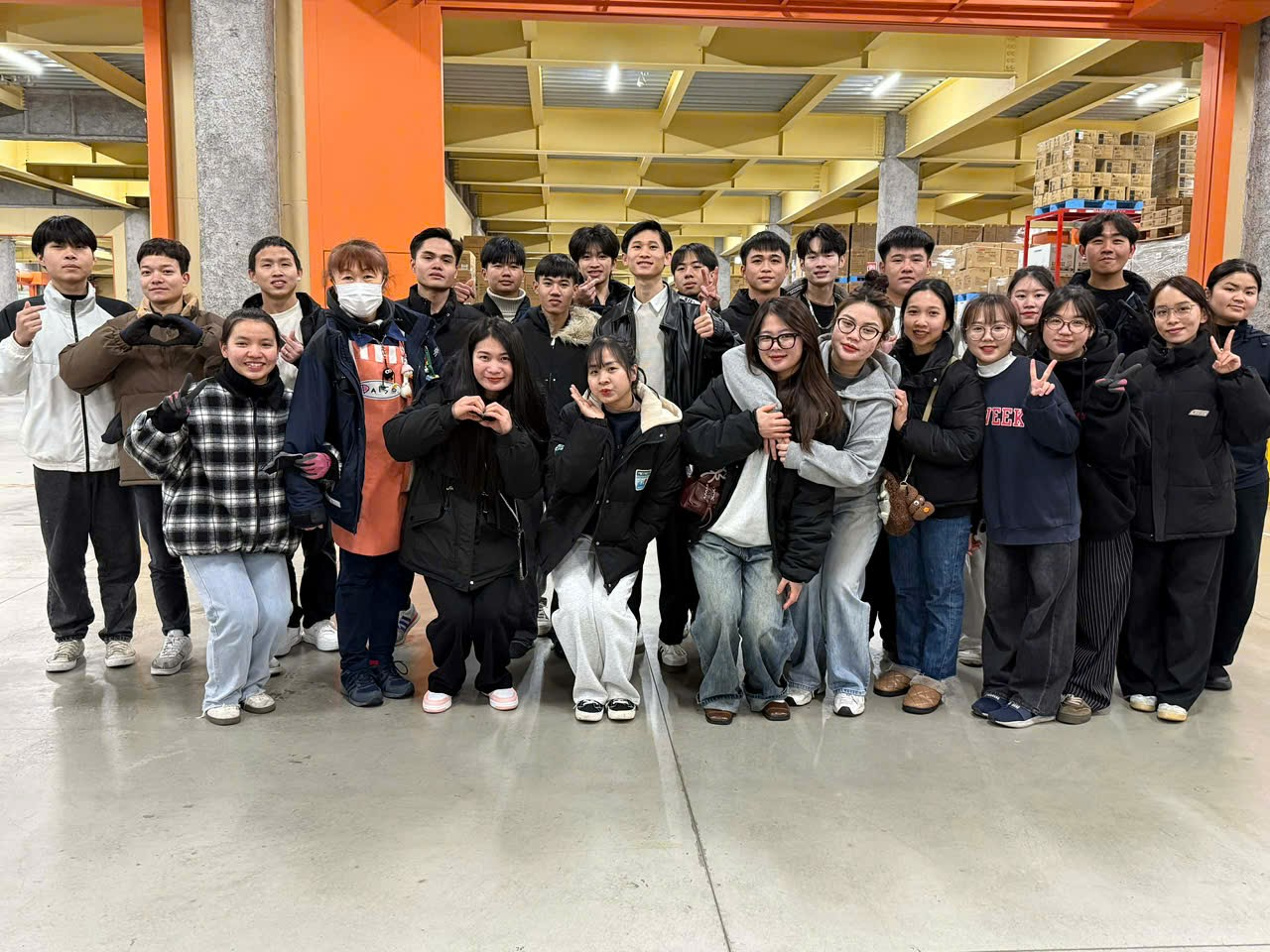
Japanese Studies majors gaining hands-on experience at a Japanese corporation.
Beyond their professional duties, students have the opportunity to experience daily life in Japan by residing in company-provided housing or dormitories. The process of managing their own schedules, daily routines, and communicating in an international environment fosters personal growth, helping students develop a disciplined, organized lifestyle and a strong sense of social responsibility. These everyday experiences provide students with a practical perspective, allowing them to gain a deeper understanding of Japanese people and society from a real-world viewpoint.
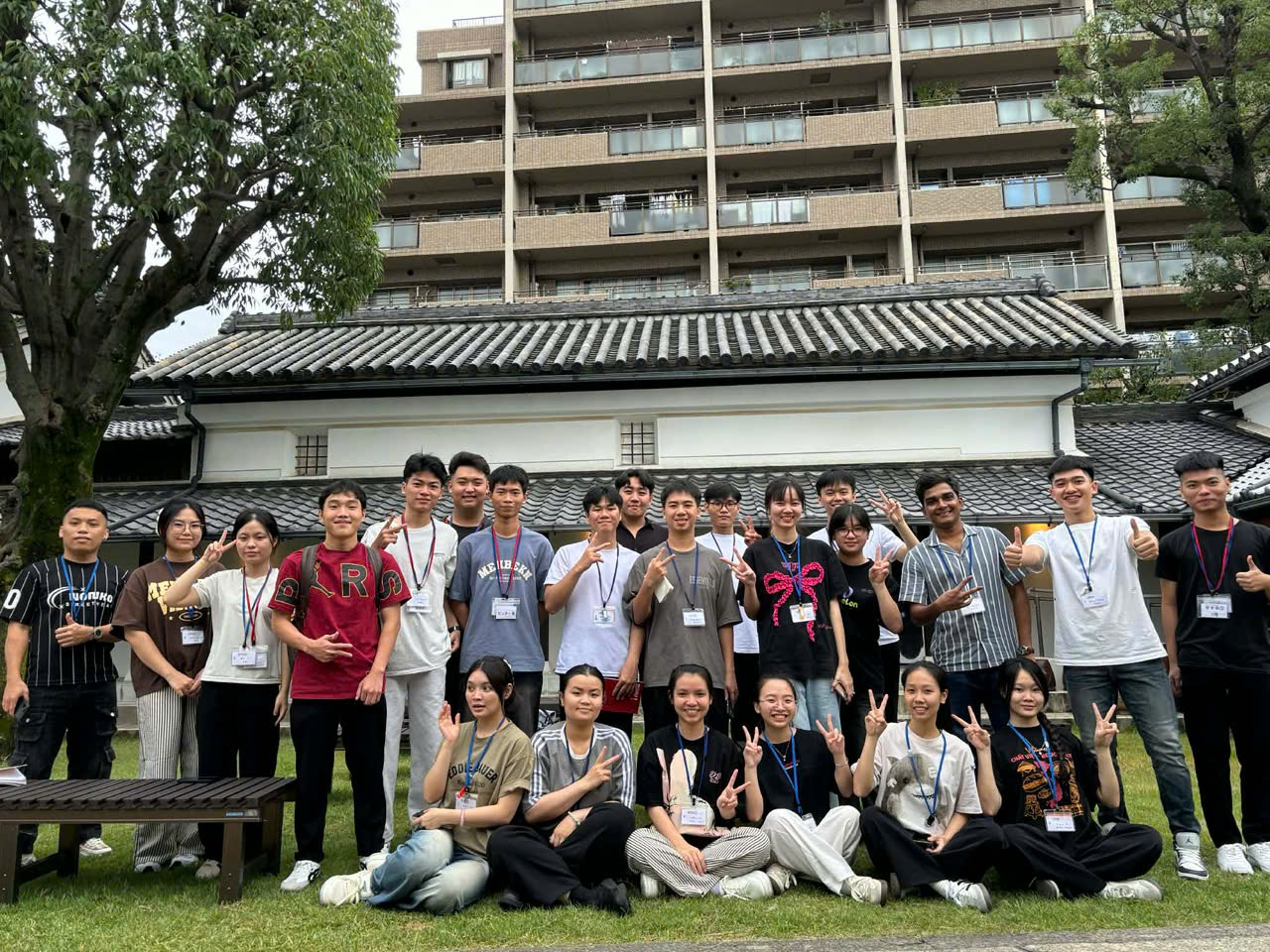
Daily Living Environment for Students in Japan
The native-speaking environment provided throughout the internship is an ideal condition for students to enhance their Japanese proficiency. Constant use of the language in professional tasks and daily interactions leads to significant improvements in listening, speaking, and linguistic reflexes. Moreover, students gain a profound understanding of Japanese communication styles, expressions, and etiquette. This linguistic advancement serves as a vital foundation for their future career paths.
Beyond academic and professional growth, the internship program offers unique opportunities to explore both traditional and modern Japanese cultural values through sightseeing, cultural exchanges, and hands-on experiences. By immersing themselves in the local lifestyle, students broaden their mindsets, enhance their inter-cultural competence, and foster a global integration spirit.

Students visiting Towada-Hachimantai National Park.

Students enjoying skiing at Appi Kogen Ski Resort
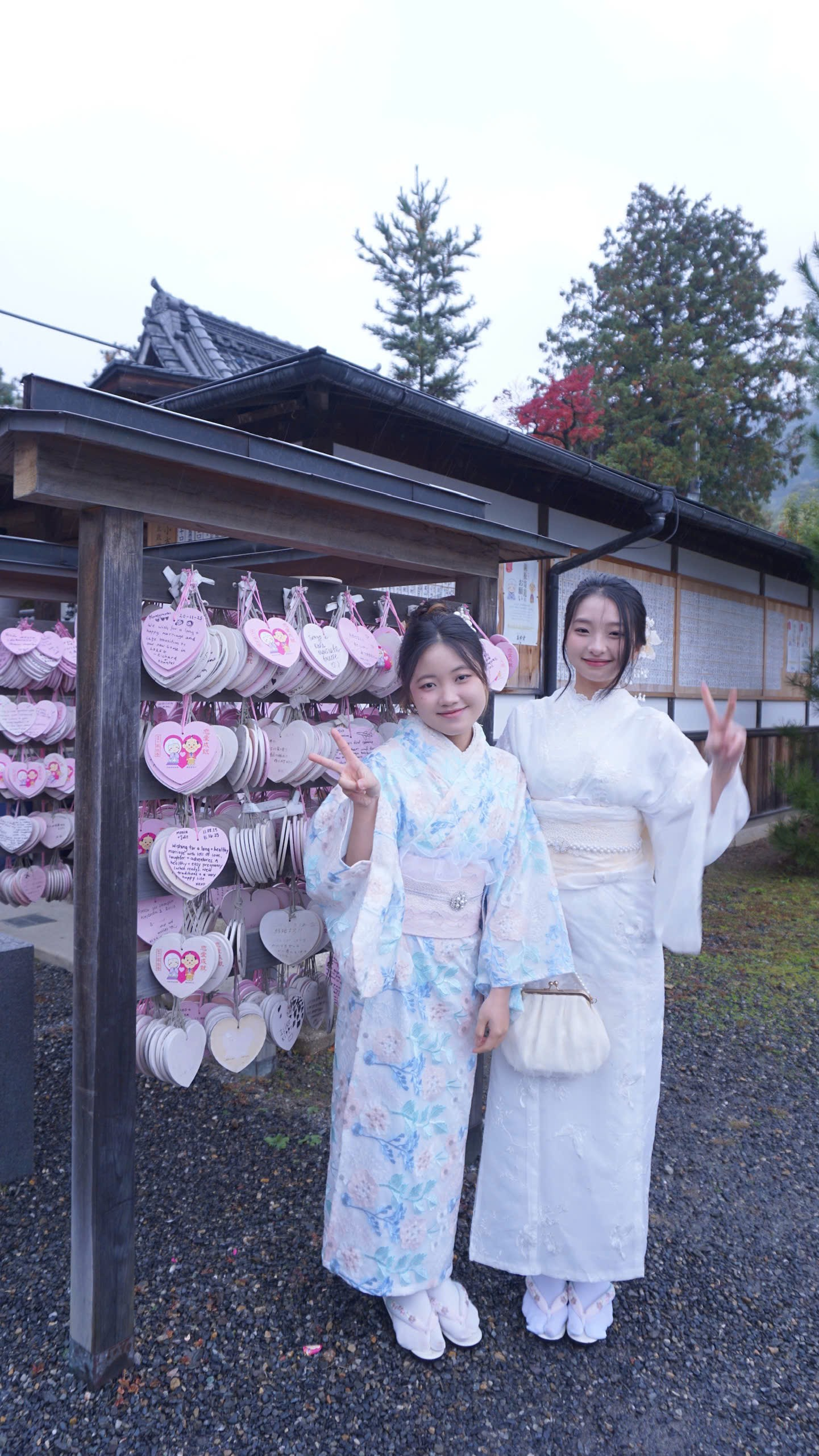
Students experiencing the traditional Japanese Yukata.

Students having fun at Japanese entertainment centers.
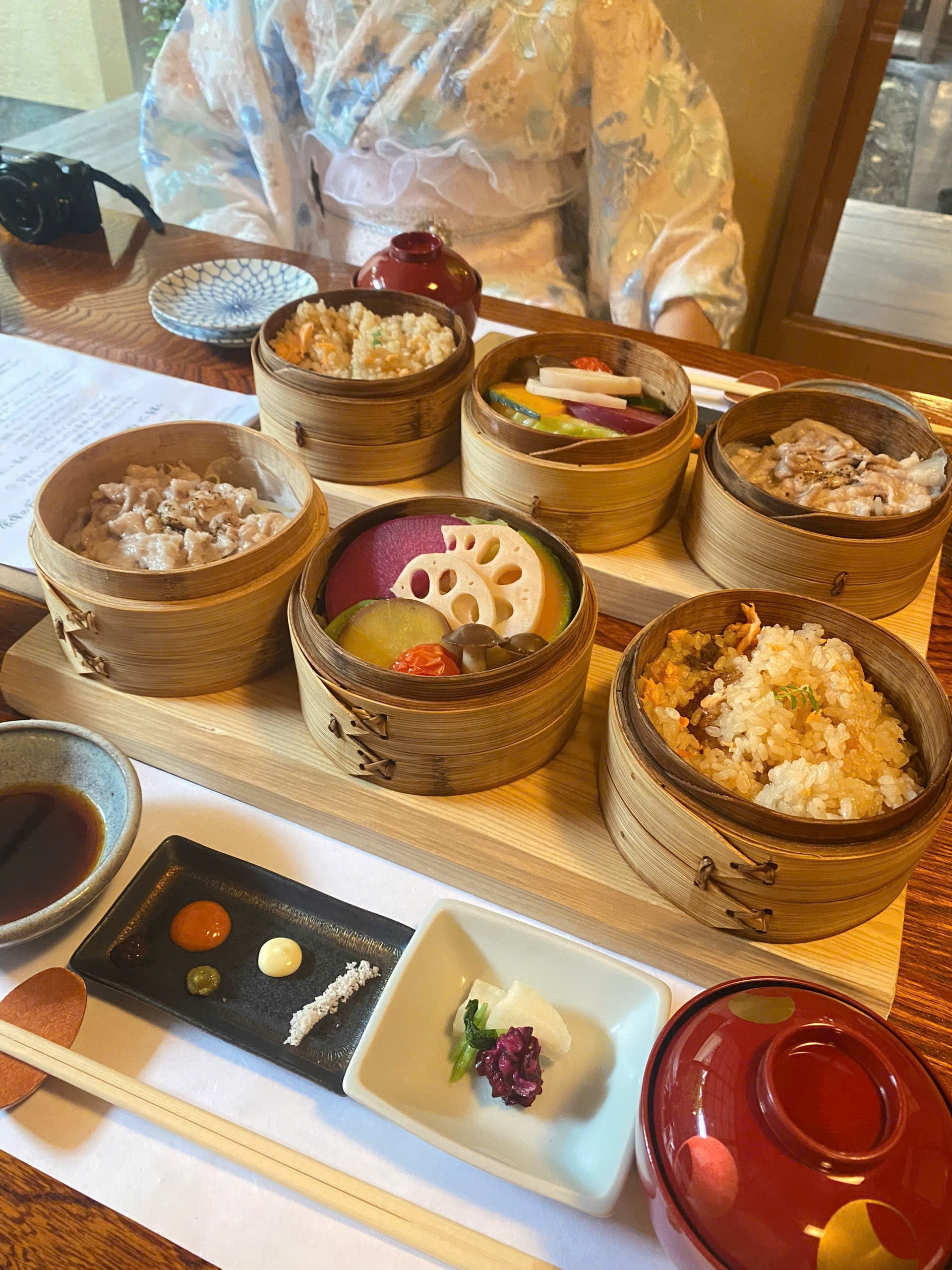
Savoring Japanese Cuisine.
The internship program in Japan is far more than a short-term period of study or labor; it is a comprehensive journey of maturity for students majoring in Oriental Studies – Japanese Studies. Through a professional working environment in modern factories, a disciplined daily lifestyle, and profound cultural experiences, students gradually develop a global mindset, an industrial working style, and the resilience needed for international integration.
It can be firmly stated that the Japan internship program serves as a vital bridge between academia and practice, between knowledge and action, and between dreams and reality. This experience provides a solid foundation for students to step confidently into the future, ready to become high-quality human resources contributing to the common development of society in the era of globalization.
---------------------------------------------------------------------------------------------------------------------------------------------------------------------------------
DNTU, February 2nd, 2026
Reported by: Dao Thien Linh Thao